

Did you like our new design?

Quick Links
Why Education Needs More Laughter
Article by Dr. Madan Kataria
|
September 29 2026
|
292
Education is often measured by examination results, attendance, qualifications and future employment. These achievements are important, but they do not tell the whole story. A school may produce excellent academic results while many of its students feel anxious, isolated or emotionally exhausted.
The purpose of education is not only to prepare children to earn a living, but also to help them live healthy, happy and meaningful lives. Along with knowledge, children need emotional resilience, confidence, creativity, compassion and healthy relationships.
Learning Is an Emotional Experience
Learning is influenced by both the mind and the emotions. An anxious child may arrive with fear, tension and constant worry, while a stressed teacher may have less patience and emotional flexibility. Even the best lesson may fail when students feel unsafe, excluded or overwhelmed.
A few minutes of playful group laughter can help children relax, breathe deeply, reconnect with one another and become more receptive to learning. Although laughter cannot solve every problem, it can shift students into a calmer, more positive emotional state where learning becomes easier.
The Growing Pressure to Perform
Children today face intense academic competition from an early age. While examinations encourage discipline and achievement, they can also create fear and anxiety. Many children begin to believe that one test determines their intelligence or future.
Constant pressure often discourages curiosity and risk-taking. Instead of asking questions or trying new ideas, students become afraid of making mistakes. Yet mistakes are essential for learning. Laughter helps children see setbacks as temporary rather than permanent failures. They learn to pause, smile, recover and try again with greater confidence.
When Technology Replaces Play
Technology has brought enormous benefits to education, but excessive screen time often replaces outdoor play, movement and face-to-face interaction. Play is one of the most natural ways children learn. Through play they develop creativity, cooperation, communication, emotional intelligence and problem-solving skills. They also learn resilience, empathy and teamwork. When natural play becomes limited, structured laughter activities can restore movement, imagination and joyful social interaction.
Children Need More Emotional Connection
Modern family life is increasingly busy. Parents work long hours, children follow demanding schedules, and even when families are together, everyone may be focused on a different screen. Children need more than education and technology. They need to feel seen, heard, accepted and loved.
Shared laughter creates emotional bonding. When parents laugh with their children, or teachers laugh appropriately with students, trust grows and relationships become stronger. Classrooms become friendlier places where children feel safe asking questions and expressing themselves.
Warmth and discipline can exist together.
Children Are Often Taught Not to Laugh
Young children laugh naturally, but as they grow older they frequently hear:
- “Don’t laugh so much.”
- “Too much laughter means you’ll cry later.”
- “Be serious and focus on studies.”
These instructions are sometimes necessary, but when all laughter is treated as misbehaviour, children may begin to believe that seriousness is the only sign of intelligence and maturity.
Discipline and laughter are not opposites. Schools can maintain high standards while still encouraging healthy, respectful laughter that supports learning and emotional wellbeing.
Laughter Yoga in Education
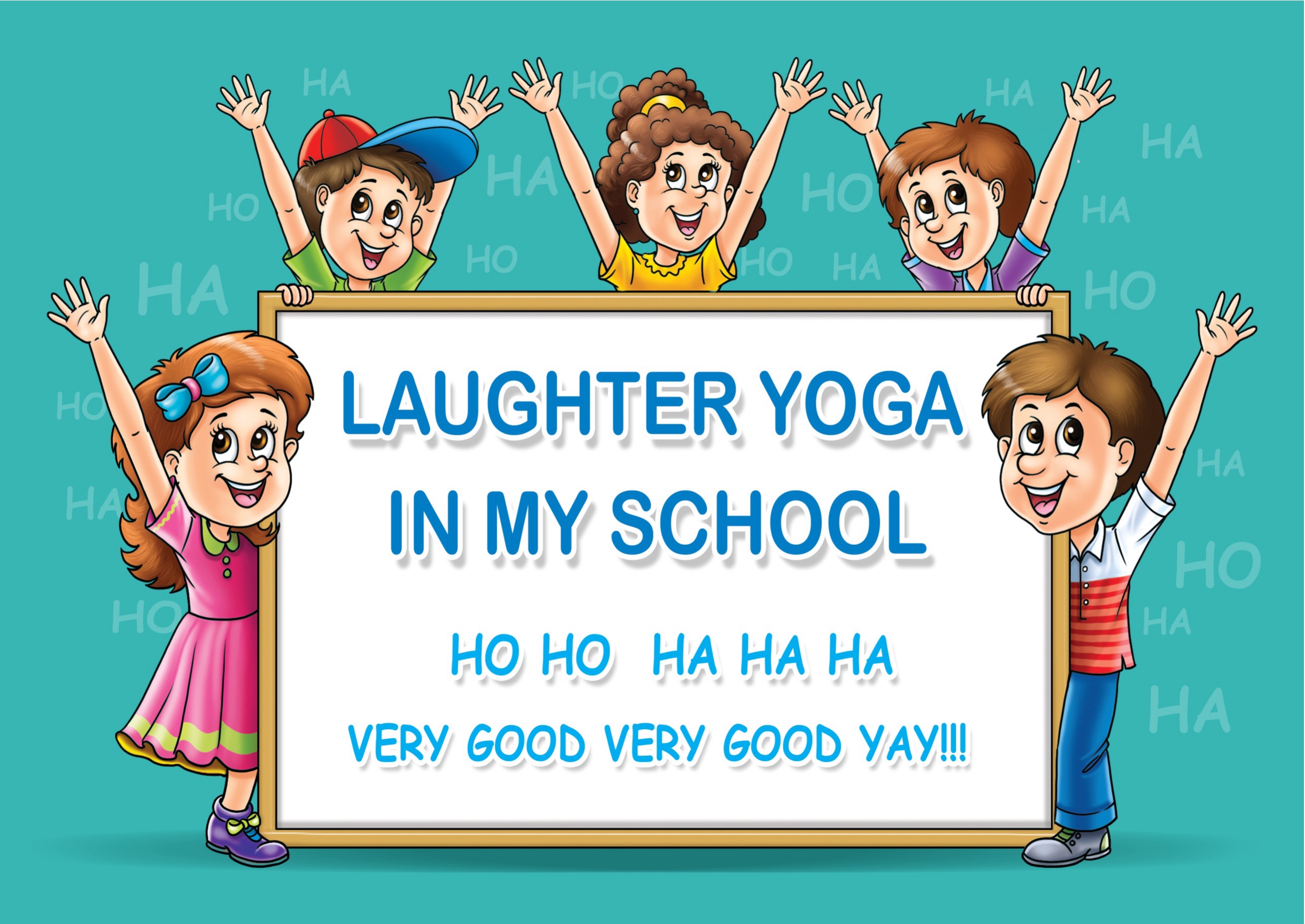
Laughter Yoga provides a simple and practical way to bring healthy laughter into schools. It does not depend on jokes or humour. Instead, children laugh through playful exercises, deep breathing, rhythmic clapping and group interaction.
In just a few minutes, students become more energetic, relaxed and socially connected. Teachers often notice improved attention, better cooperation and a more positive classroom atmosphere.
Laughter Yoga is not a replacement for education—it is preparation for learning.
Conclusion
Education should help children succeed not only in examinations but also in life. When children laugh together, they build resilience, confidence, creativity and compassion alongside academic knowledge. They become happier learners and healthier human beings.
Academic success may help children build successful careers, but laughter helps them build successful lives. Perhaps the greatest gift education can offer is not simply preparing children for examinations, but preparing them to face life with courage, optimism and a smile.
What is your reaction?
Quick Links


Daily Laughter Yoga

825

Excellent
Website Ratings
1723

Good