






Did you like our new design?

Quick Links
Laughter Yoga & Appetite Hormones | Ghrelin and Leptin Balance
Article by Dr. Madan Kataria
|
January 03 2026
|
741
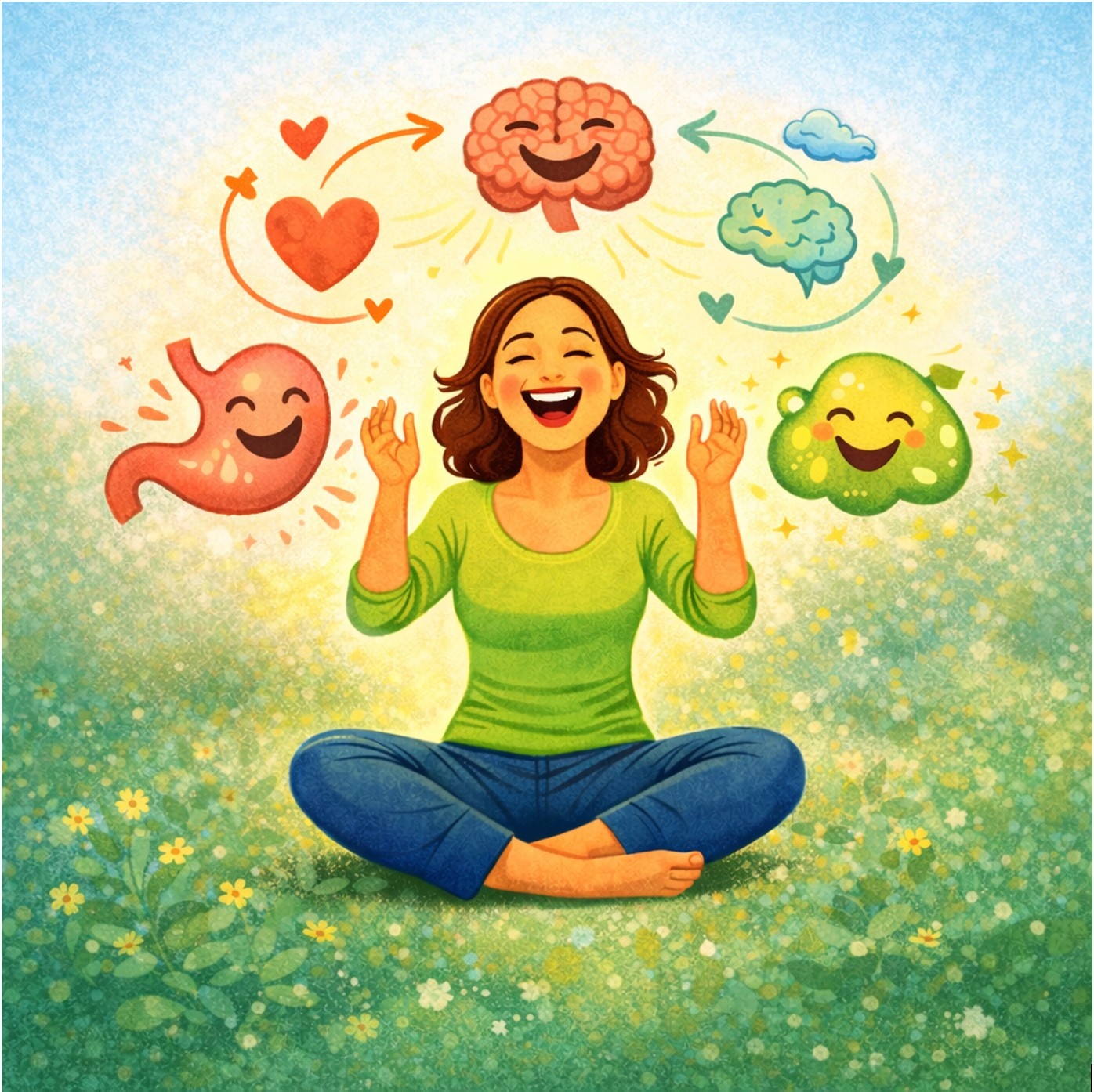
Understanding Ghrelin and Leptin
Hunger is not just about food. It is an ongoing conversation between the gut, brain, emotions, and nervous system.
Many people blame lack of willpower for overeating, cravings, or weight gain, but the real drivers often lie deeper—in the delicate balance of two powerful hormones: ghrelin, which stimulates hunger, and leptin, which signals fullness.
Modern lifestyles filled with stress, poor sleep, emotional strain, and constant stimulation can disturb this hormonal balance. As a result, people experience persistent hunger, emotional eating, and cravings—even when the body does not truly need food. By understanding how ghrelin and leptin function—and how they respond to breathing, laughter, sleep, and joy—we can learn to regulate appetite naturally, gently, and sustainably, without force or guilt.
Ghrelin – The Hunger Hormone
Ghrelin is often called the hunger hormone because it directly signals the brain when it is time to eat. It is a peptide hormone produced mainly by the stomach, with smaller contributions from the pancreas and brain. Ghrelin not only increases appetite but also influences fat storage, mood, stress response, sleep patterns, and the brain’s reward system. It also stimulates the release of growth hormone.
Ghrelin acts primarily on the hypothalamus and the dopamine reward pathway, which explains why hunger is not purely physical—it is deeply emotional as well.
Under normal conditions, ghrelin levels rise before meals, creating the sensation of hunger, and fall after eating, allowing a feeling of satisfaction. However, chronic stress, poor sleep, and emotional imbalance can keep ghrelin levels artificially high. This explains why stress eating occurs, why people who are sleep-deprived crave more food, and why some psychiatric medications increase appetite and weight gain.
Several modern factors push ghrelin higher: lack of sleep, anxiety, depression, processed foods, crash dieting, skipping meals, sedentary habits, and emotional loneliness. In conditions such as schizophrenia, dopamine imbalance combined with medication side effects can further disturb ghrelin regulation, leading to persistent hunger.
Natural Regulation of Ghrelin
One of the most powerful regulators of ghrelin is sleep. Consistently getting 7–8 hours of quality sleep lowers ghrelin and supports leptin, the satiety hormone. Poor sleep does the opposite—raising hunger signals while dulling fullness cues.
Slow, deep breathing also plays a critical role. By activating the vagus nerve, it reduces stress hormones such as cortisol, which indirectly lowers ghrelin levels and calms emotional hunger.
The Role of Laughter Yoga
Laughter Yoga is a highly effective yet underestimated tool for regulating ghrelin. Regular laughter practice reduces cortisol, increases dopamine and serotonin, and shifts the nervous system toward parasympathetic dominance, the state of rest, repair, and balance.
When dopamine is released naturally through laughter and social connection, the brain no longer seeks food as a primary reward. This is why many people practicing Laughter Yoga report fewer cravings, reduced emotional eating, and better appetite control—even while on long-term medication.
Ghrelin is closely linked with the dopamine reward system. As joy, laughter, and connection increase, compulsive eating decreases, emotional satisfaction improves, and the body begins to trust its natural hunger cues again.
Leptin – The Satiety (Fullness) Hormone
If ghrelin says “Eat more,” leptin says “Enough, you are satisfied.”
Leptin is produced mainly by fat (adipose) cells and signals the brain that the body has sufficient energy reserves. It suppresses appetite, supports metabolism, regulates body weight, and influences mood, motivation, immunity, and fertility.
Leptin communicates with the hypothalamus—the same brain center that governs hunger, stress, and emotions. In a healthy system, as body fat increases, leptin levels rise, telling the brain to reduce hunger and burn energy efficiently.
The Real Issue: Leptin Resistance
Most people struggling with weight or overeating do not suffer from low leptin. Instead, they experience leptin resistance.
In leptin resistance, leptin is present—sometimes in high amounts—but the brain does not respond to its signal. The brain behaves as if the body is starving, leading to constant hunger, cravings, slowed metabolism, weight gain, and emotional frustration. This condition is similar to insulin resistance in diabetes.
Chronic stress is the biggest contributor to leptin resistance. Elevated cortisol interferes with leptin receptors in the brain. Poor sleep, inflammation, processed foods, sedentary habits, anxiety, depression, emotional eating patterns, and long-term psychiatric medication further block leptin sensitivity.
Ghrelin, Leptin, and the Stress Connection
Under stress, ghrelin levels rise while leptin sensitivity falls. The brain receives stronger hunger signals and weaker fullness cues, creating a perfect storm for overeating and emotional dependence on food.
Restoring Leptin Sensitivity Naturally
Quality sleep remains the top priority, as sleep deprivation reduces leptin and raises ghrelin simultaneously. Stress reduction is equally critical, because chronic stress blocks leptin signaling at the brain level.
Laughter Yoga as a Leptin Regulator
Laughter Yoga directly addresses the root causes of leptin resistance. By lowering cortisol, activating the parasympathetic nervous system, and increasing dopamine and serotonin, laughter creates a sense of safety and emotional satisfaction in the brain. When the brain feels relaxed and joyful, leptin signals are received clearly.
This explains why many Laughter Yoga practitioners naturally experience feeling full with smaller meals, reduced cravings, less emotional eating, and improved body awareness—without dieting or force.
In Essence
Laughter Yoga does not control appetite by suppression.
It restores hormonal harmony by calming the nervous system, balancing emotions, and reconnecting the brain with the body’s natural intelligence.
When joy increases, hunger normalizes.
When stress reduces, satiety returns.
This is appetite regulation not through discipline—but through health, happiness, and inner balance.
What is your reaction?
358

Excellent
Website Ratings
479

Good