
Laughter and Stress Relief in Cancer Patients: A Pilot Study
Where and Who Did It:
Conducted at ASAN Medical Center, Seoul, South Korea
By researchers: S.H. Kim, Y.H. Kim, and H.J. Kim
Affiliated with the Department of Nursing and the Department of Preventive Medicine, University of Ulsan College of Medicine
Published in 2015
Why This Study Was Done (Objective):
Breast cancer patients often feel high levels of anxiety, depression, and stress, especially during radiation therapy. Traditional medications can help, but doctors are exploring non-drug therapies that are safe and low-cost.
This study wanted to find out:
- Can a Therapeutic Laughter Program (TLP) reduce emotional stress in breast cancer patients?
- Does attending more sessions lead to better results?
How the Study Was Carried Out (Methodology):
Participants:
- 62 women with breast cancer undergoing radiation therapy
- All were screened to exclude psychiatric illnesses
- Divided randomly into two groups:
- 31 patients received the laughter therapy (intervention group)
- 29 patients received no therapy (control group)
Therapeutic Laughter Program (TLP):
- Conducted by a trained laughter therapist
- Each session lasted 60 minutes
- Included:
- Loud, intentional laughter
- Physical movement and breathing
- Fun games and laughter exercises
- Information about benefits of laughter
What Was Measured:
- Anxiety, depression, and stress levels
- Tools used:
- Numerical Rating Scale (NRS): A simple 0 to 10 scale
- HADS: Hospital Anxiety Depression Scale
- BEPSI-K: Korean version of a stress questionnaire
- Measurements were taken:
- Before the sessions
- After each of the four sessions
- After the entire program
What Did They Find?
Key Results (TLP Group Only):
Emotion Before (Baseline) After 4 Sessions Change
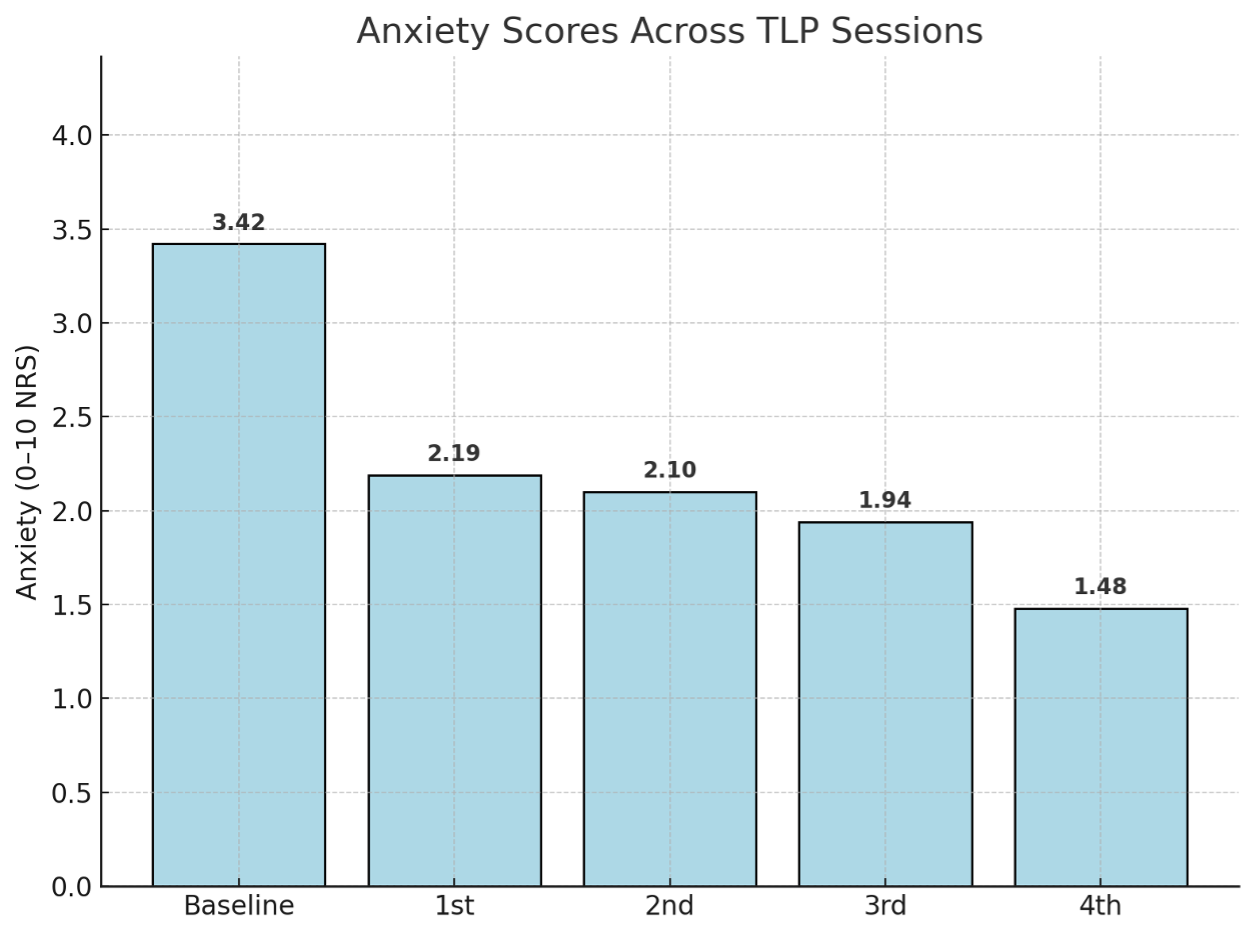
Anxiety 3.42 1.48 ↓ 1.94
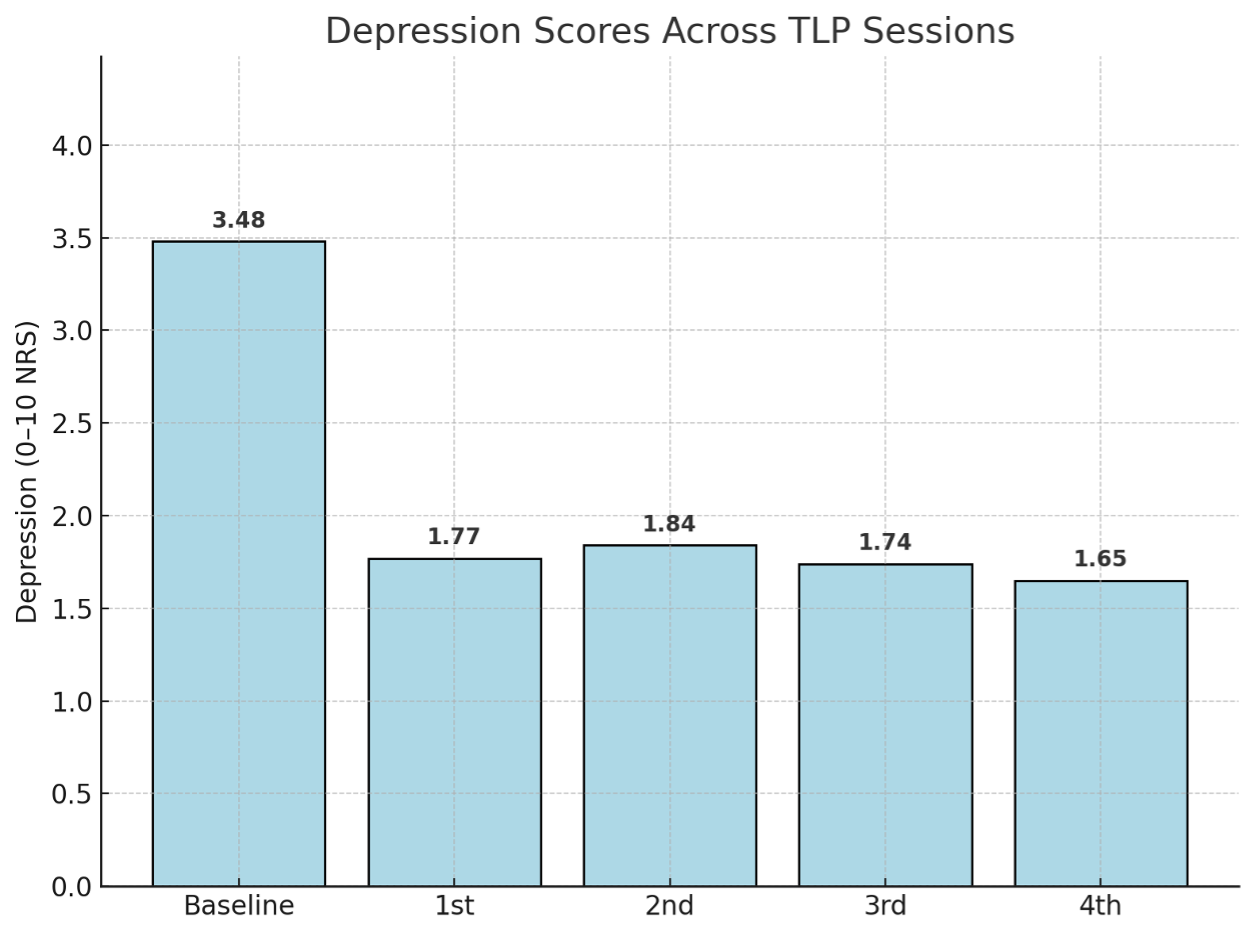
Depression 3.48 1.65 ↓ 1.84
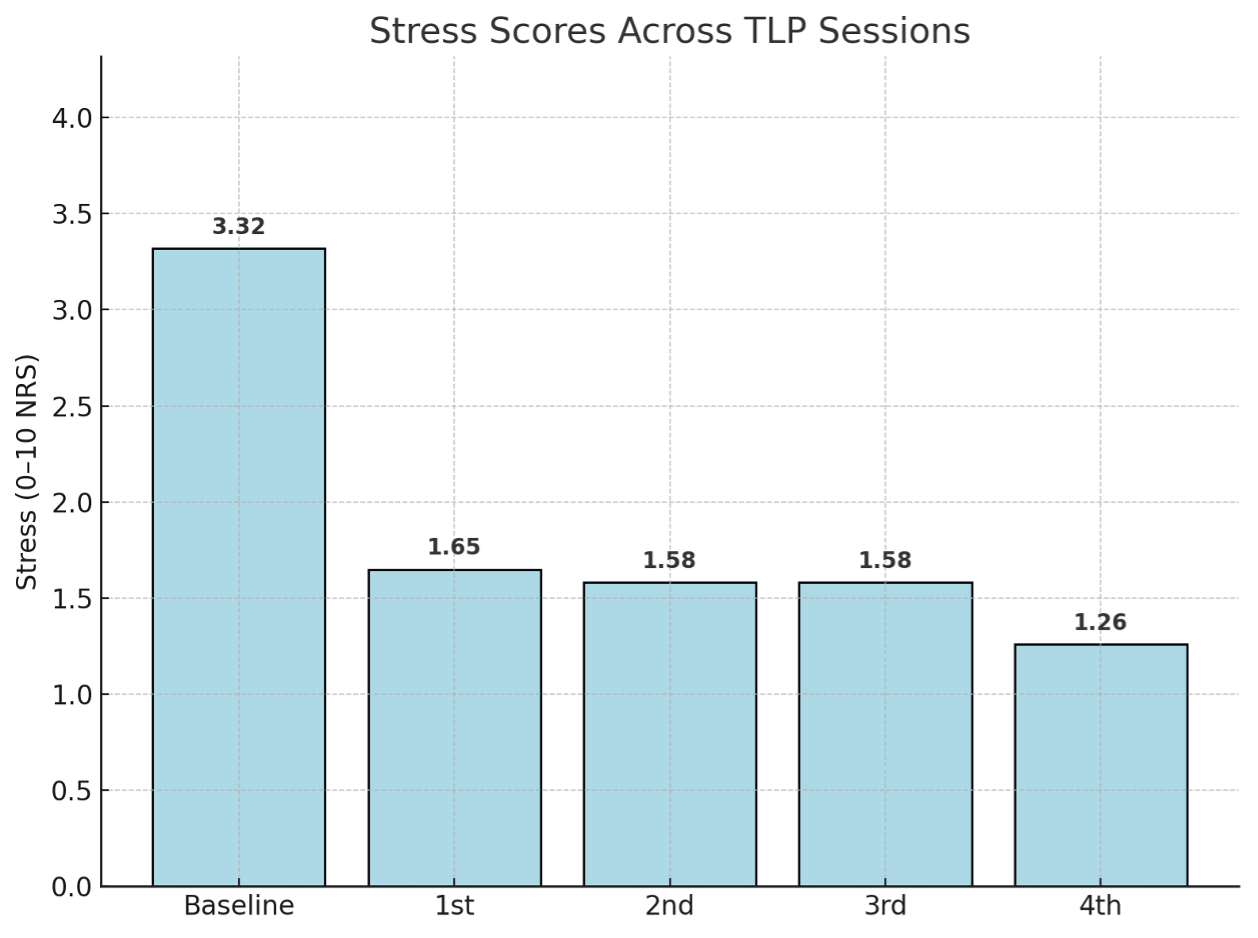
Stress 3.32 1.26 ↓ 2.06
- First session alone showed a big improvement!
- Control group (who did not attend laughter therapy) had no change.
- Results were statistically significant (p < 0.01)
More Sessions = Better Outcomes:
- Scores kept improving with each session.
- After 4 sessions, all 3 emotional indicators dropped by over 50%.
Why This Matters (Discussion):
- Laughter therapy is a non-invasive, low-cost, and fun method that helps improve emotional well-being.
- Patients enjoyed the sessions and actively participated.
- The method can be used in busy hospital settings using just a simple 0–10 scale for quick emotional assessment.
Limitations of the Study:
- Small sample size (only 62 patients)
- Focused only on short-term effects, not long-term benefits
- Only included women with breast cancer, so results may not apply to other groups
Conclusion:
Laughter therapy is safe, effective, and works quickly. Even one session can reduce anxiety, depression, and stress.
It should be considered as a complementary therapy for cancer patients, alongside medical treatments