Effects of Laughter Yoga on Stress and Mood States
A Scientific Study from Tokyo, Japan (2018)
Researcher: Keio Hashimoto
Institution: Mie Prefectural Occupational Health Promotion Center, Japan
Published In: Journal of the International Society of Life Information Science (ISLIS), Vol. 36, No. 1, March 2018
Presented At: The 45th Symposium on Life Information Science, Toho University Omori Campus, Tokyo, Japan, March 10–11, 2018.
Why Was This Study Conducted?
For many years, researchers have known that laughter can reduce stress and improve mood. Dr. Madan Kataria's Laughter Yoga is based on the idea that the body receives benefits from laughter whether the laughter is spontaneous or intentionally practiced.
The researchers wanted to find out:
Can the physical act of laughing itself reduce stress and improve mental well-being, even without jokes or humor?
They were also interested in whether these stress-reducing effects could contribute to better sleep quality.
Participants
The study involved:
- 15 university students
- Men and women
- Average age: 20.2 years
- Participants were selected randomly
How Was the Study Done?
The protocol was very simple:
Step 1: Baseline Measurements
Researchers measured:
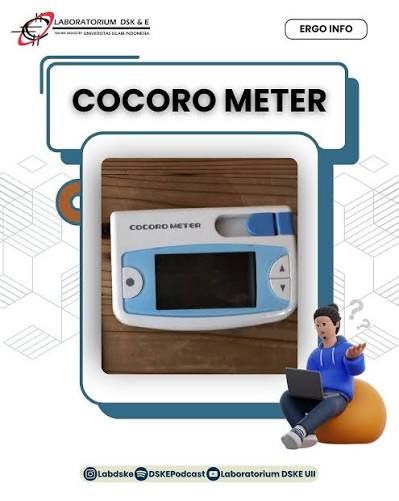
- Stress levels using the COCORO METER
- Mood states using the POMS (Profile of Mood States) questionnaire
Step 2: Laughter Session
Participants performed:
10 minutes of Laughter Yoga laughter actions
Step 3: Relaxation
- 5 minutes of rest
Step 4: Final Measurements
Researchers again measured:
- Stress levels
- Mood states
What Did Researchers Measure?
Stress
Using the COCORO METER, which measures stress-related salivary amylase.
Mood States
The POMS questionnaire measured:
- Tension and Anxiety
- Depression
- Anger and Hostility
- Vigor (Energy)
- Fatigue
- Confusion
Main Results
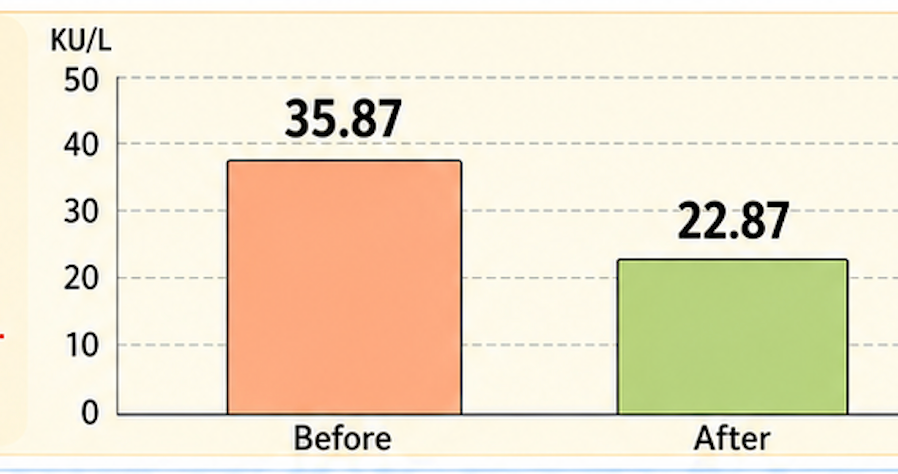
1. Stress Levels Dropped Dramatically
Stress scores fell from:
35.87 KU/L → 22.87 KU/L
This reduction was statistically significant.
2. Tension and Anxiety Decreased
Average reduction:
5.7 points
People felt calmer and more relaxed.
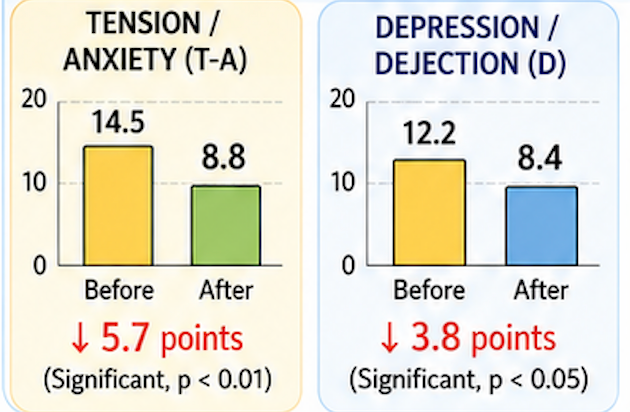
3. Depression Decreased
Average reduction:
3.8 points
Participants reported fewer feelings of sadness and low mood.
4. Anger and Hostility Decreased
Average reduction:
2.7 points
People felt less irritated and less hostile.
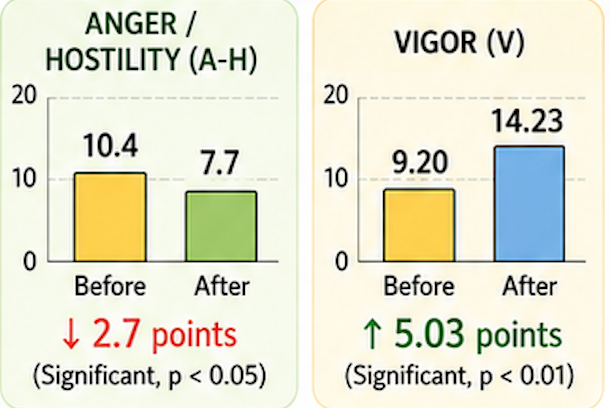
5. Energy and Vigor Increased
Average increase:
5.03 points
Participants felt more alive, energetic, and enthusiastic.
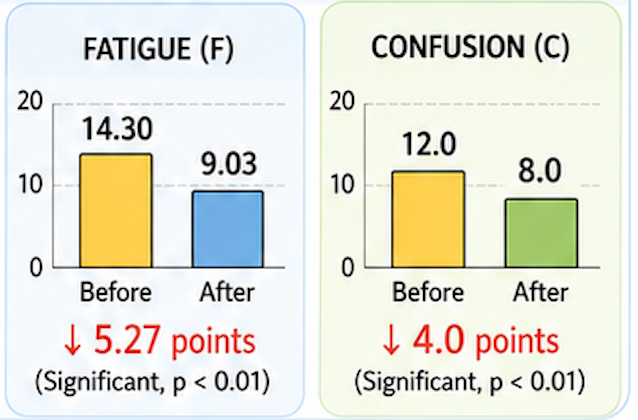
6. Fatigue Decreased
Average reduction:
5.27 points
People felt less tired after the laughter session.
7. Confusion Decreased
Average reduction:
4 points
Participants reported clearer thinking and less mental fog.
Why Does Laughter Help Sleep?
The researchers proposed several explanations.
Laughter Relieves Stress
Stress is one of the biggest causes of poor sleep.
When laughter reduces stress hormones and relaxes the nervous system, the body becomes better prepared for restful sleep.
Laughter Creates Relaxation
After laughter, many people experience a natural relaxation response. This relaxed state resembles some aspects of hypnosis and meditation, helping quiet mental chatter.
Laughter Encourages Parasympathetic Activity
The rhythmic abdominal movement and prolonged exhalation during laughter activate the body's relaxation system, which promotes better sleep.
What Is Especially Interesting for Laughter Yoga?
One important finding is that:
The benefits came from the laughter action itself.
Participants did not need comedy, jokes, or humor.
Simply engaging in laughter exercises produced:
- Less stress
- Less anxiety
- Less fatigue
- More energy
- More positive mood
This strongly supports one of the core principles of Laughter Yoga:
The body cannot easily distinguish between simulated and spontaneous laughter when it is done with willingness and sustained practice.
Conclusion
This Japanese study demonstrated that just 10 minutes of Laughter Yoga-style laughter actions significantly reduced stress and negative emotions while increasing energy and positive mood.
The researchers concluded that the rhythmic abdominal movement, deep exhalation, and laughter sounds create powerful stress-relieving effects that may also contribute to better sleep quality and deeper relaxation.
Here is the link to get the original research study:
file:///Users/drmadankataria/Desktop/Japan%20Studies/Tokyo%20Study%20om%20LY%20and%20sleep.pdf